From sludge to energy. Right on site.
Your sludge becomes electricity and heat. For municipal wastewater plants and industry alike. No transport, no landfill, no upfront investment.
Sludge disposal. A growing problem without an economical solution.
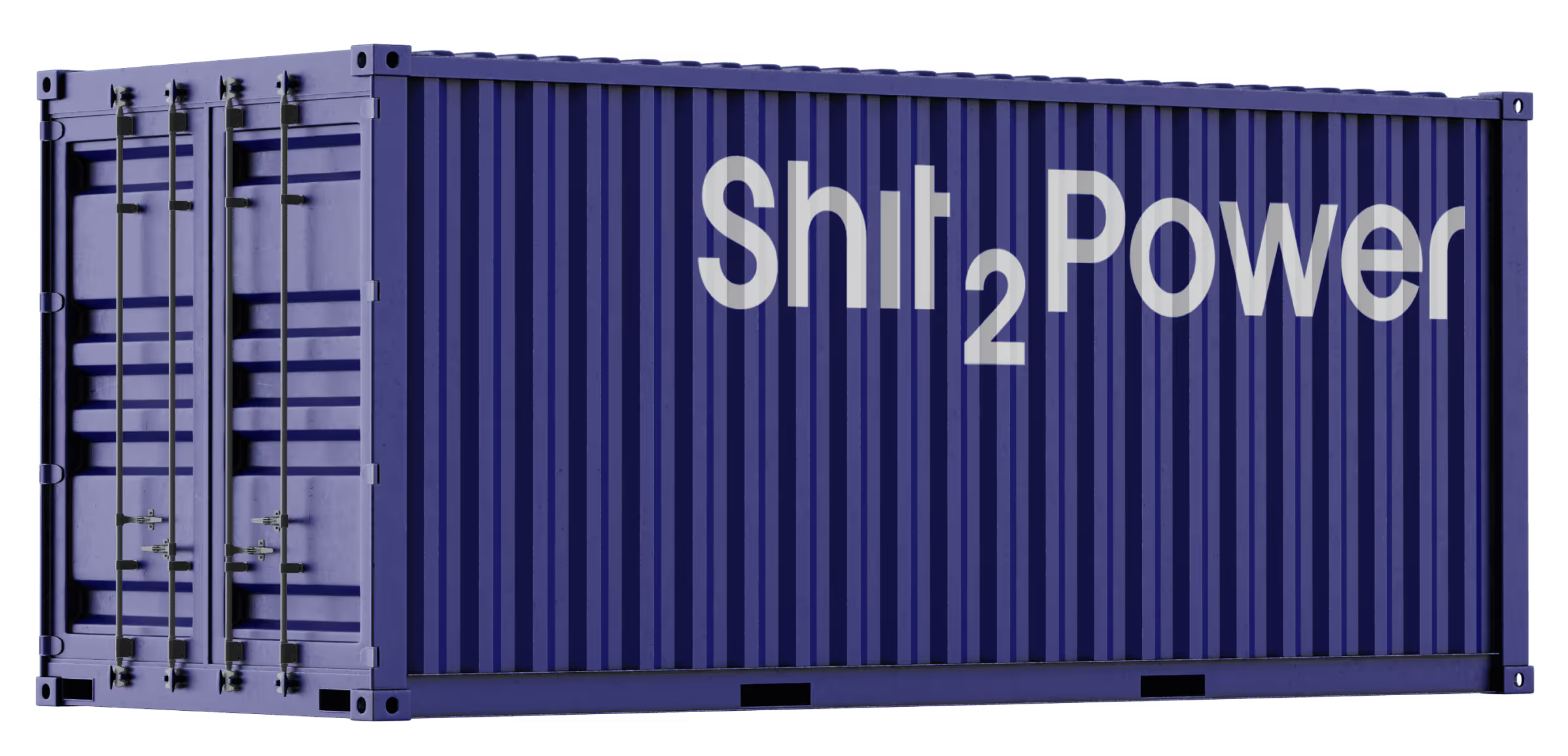
Energy recovery on site
Our patented container system converts dewatered sludge into electricity, heat and phosphorus-rich mineral ash, directly on site. Whether wastewater treatment plant, food factory or industrial site, no transport, no landfill, no upfront investment.
Our process
Drying
Process heat dries the sludge in a closed loop. No external energy required.
Gasification
Our patented reactor converts the sludge thermochemically at around 850 °C. This produces energy-rich syngas, and organic pollutants are destroyed. About one tenth remains as sanitized mineral ash.
Energy generation
A combined heat and power unit generates up to 2,500 MWh/a. The process covers its own demand and supplies usable electricity and heat for your site beyond that.
.png)
Fewer disposal routes, exploding costs
Agricultural application is getting harder due to PFAS and heavy metals, and landfilling is largely banned. Incineration remains, but capacity is scarce and transports of up to 800 km drive up costs.
Regulatory pressure & market demand
A PFAS ban under REACH is in preparation, drinking water limits apply from 2026, phosphorus recovery from 2029, energy-neutral operation by 2040. Operators are actively looking for on-site solutions.
The limits of conventional methods
How our process compares with the established approaches.
Instead of central incineration
we treat directly on site: less transport, predictable costs, a local energy loop, and the phosphorus stays more available than after mono-incineration.
Unlike pyrolysis
where the carbon stays locked in the char, our controlled air supply uses the carbon for energy. The process sustains itself, and what remains is mineral ash.
More than digestion
Digestion only partly reduces the volume, the sludge still holds energy and is not sanitized. Our process picks up exactly there and also treats digested sludge.
Already digesting? You still gain.
Digested sludge still contains energy. We sanitize it completely, deliver phosphorus-rich mineral ash and additional energy. Even sites that already digest still gain.
What your site can achieve with Shit2Power
Four key figures about your sludge are enough. You get an immediate, reliable first assessment for your site, with no appointment and no obligation. The direct route if you want to use the potential of your sludge yourself.
- Whether Shit2Power fits your site, answered honestly
- How much your volume shrinks and how much energy is generated
- Your concrete next step
1 minute.
The people turning sludge into energy.
Founded in Berlin in 2023 by Nina Heine and Dr.-Ing. Fabian Habicht. A team from process engineering, water management and industry.
Mehr erfahren
About us
Founding story
Shit2Power GmbH was founded in Berlin in 2023 by Nina Heine and Dr.-Ing. Fabian Habicht. The seed for the company was planted in spring 2021, in a conversation between Nina Heine and a farmer during an agricultural project. Nina's original focus was on closing the water loop to actively counter increasing water scarcity. Her perspective changed when the farmer pointed her to Germany's inefficient sewage sludge disposal system, in which sludge is trucked up to 800 km.
Together with Fabian, Nina recognized an even bigger global challenge: outdated wastewater treatment and disposal methods leave 80 % of wastewater untreated, causing over 4 % of global greenhouse gas emissions. The discovery that wet biomass holds energy levels comparable to lignite opened up new perspectives. In sewage sludge in particular, the most costly and pressing waste problem, they saw an untapped opportunity and developed a new kind of solution. Shit2Power was created with the mission of enabling sites worldwide to convert their sludge into energy directly on site. The goal: turn disposal into energy recovery, reduce emissions and use biomass as a resource.
Our co-founders

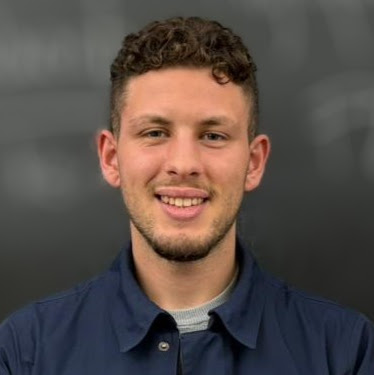
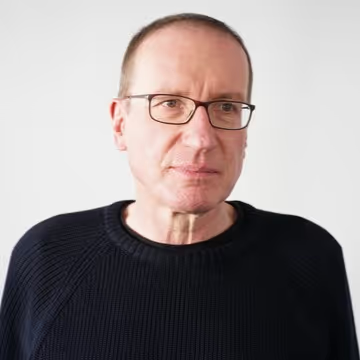
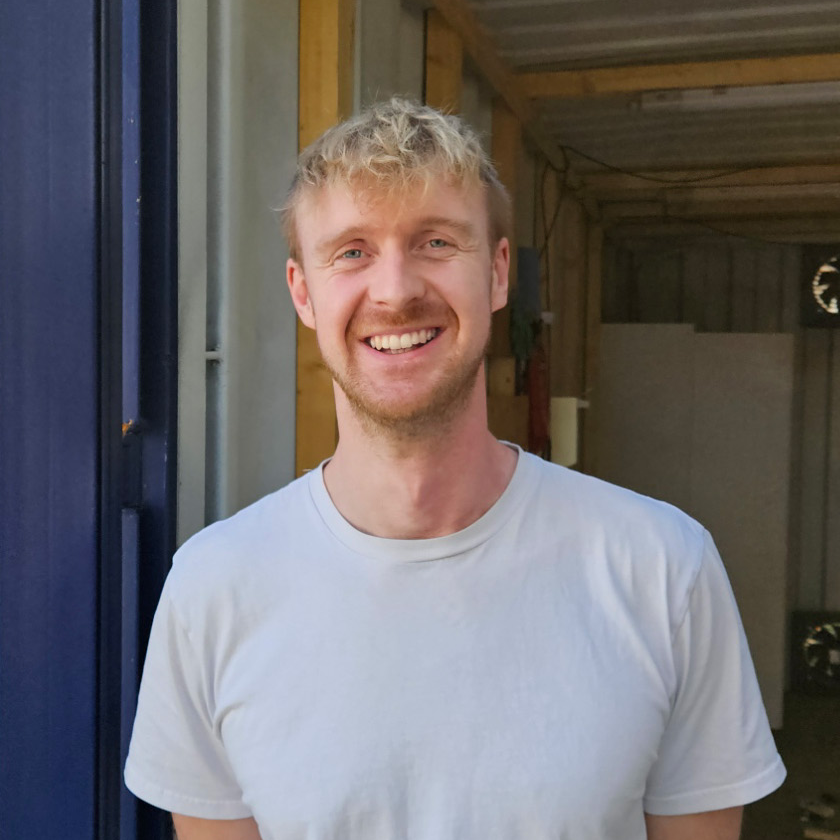
Nina Heine, CEO and co-founder of Shit2Power GmbH, brings more than a decade of professional experience in public-sector consulting at KPMG and in leading roles at EEW Energy from Waste GmbH, one of the most renowned environmental technology companies, where she led innovative projects in sustainable waste management. She also has extensive experience in working with startups in Europe and the US.

Dr. Fabian Habicht, co-founder and CTO of Shit2Power GmbH, is a recognized expert in process engineering and renewable energy. With a doctorate in combustion technology and deep expertise in fluid mechanics and thermodynamics, he is responsible for the development of our technology. His focus is on delivering scalable solutions for wastewater treatment plants across the EU, combining technical know-how with strategic foresight to ensure both regulatory compliance and economic efficiency.
Our team
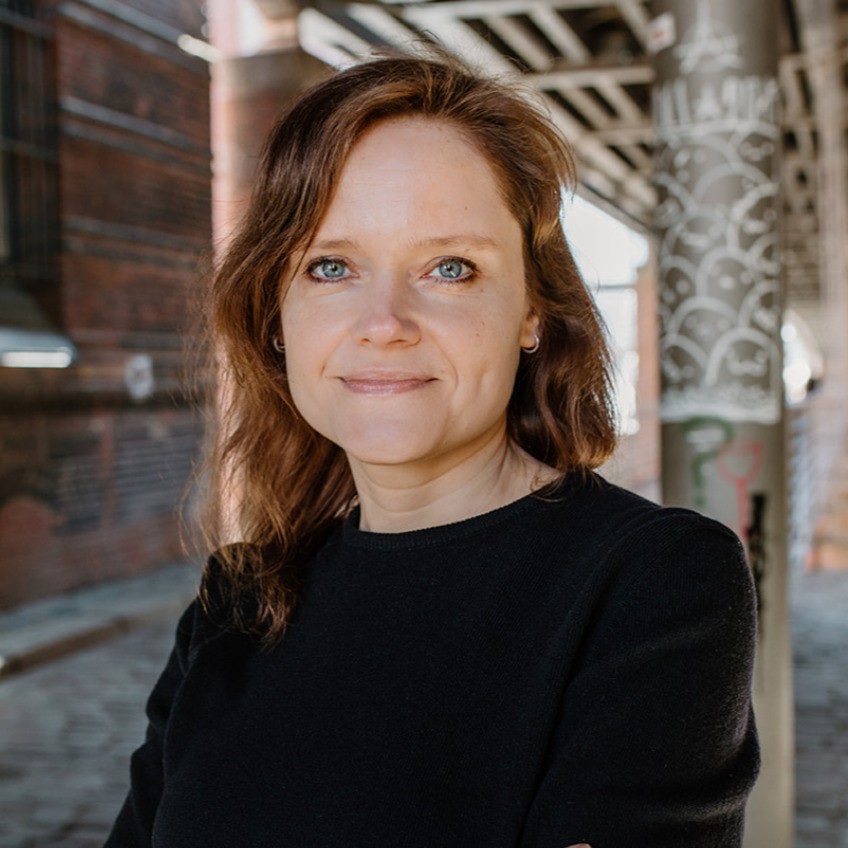

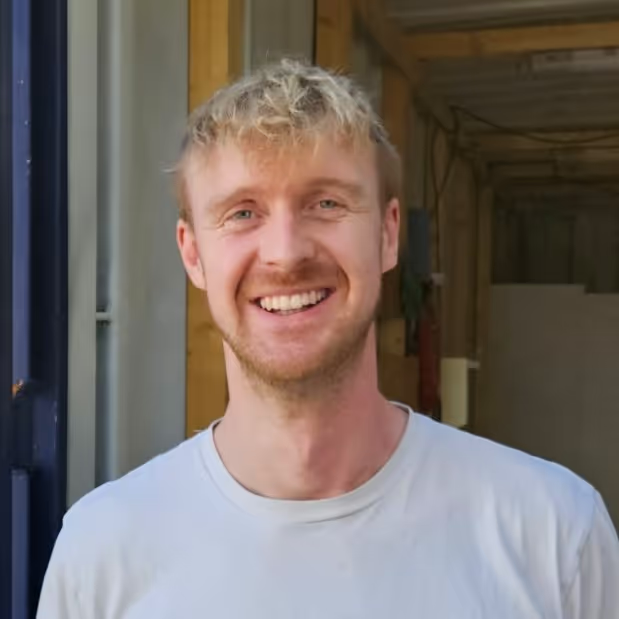

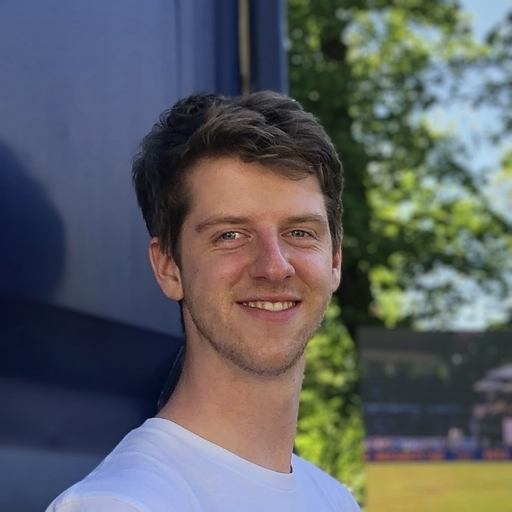
.png)
Supported by










References
"If the Shit2Power team succeeds in demonstrating stable solutions for 90 percent of everyday cases in wastewater treatment plants, this will undoubtedly convince customers and investors alike. It would be a decisive step towards decentralizing wastewater treatment systems."
Head of Energy Process Engineering and
Conversion Technologies for Renewable Energies

"We are very impressed by your approach to sewage sludge processing and energy use. We find it particularly interesting because our previous plans for a digestion system were always a cost-benefit question. As a wastewater association we are open to innovation and would gladly act as a reference partner for your solution."
Director of Wastewater Treatment Plant Nünchritz, Saxony

Stay up to date.
Was ist Schlamm?
Sludge is a residue from industrial and municipal processes with a moisture content above 50 %. It occurs wherever organic matter is processed, for example in wastewater treatment plants, food production, paper mills, slaughterhouses, biogas plants and agriculture. Although sludge holds an energy potential of 20 to 25 MJ/kg of organic matter, its high water content makes transport and disposal difficult and expensive. It can also contain pollutants such as PFAS and heavy metals that rule out simple land application or landfilling.
Welchen Schlamm kann unsere Technologie verarbeiten?
Our system processes mechanically dewatered sludge from a dry matter content of around 20 %. That is the typical consistency in which sludge is trucked away from sites today. Our technology is feedstock-agnostic, whether sewage sludge, paper sludge, digestate or slaughterhouse waste. What matters are the dry matter content, a calorific value of at least 10 MJ/kg dry matter and a continuous sludge stream. Each reactor can process up to 2,700 tonnes of dewatered sludge per year.
Was passiert mit den Schadstoffen im Schlamm?
Process temperatures above 850 °C completely destroy all organic pollutants, including PFAS. Heavy metals are bound in the mineral ash. No waste products remain that would require further disposal. The remaining ash makes up less than 10 % of the input mass and is chemically inert.
Thinking about an on-site solution, or want to know what is possible at your site? This is the fastest way to a reliable answer.